Stretching vs. Strengthening
What Atlanta Runners Really Need
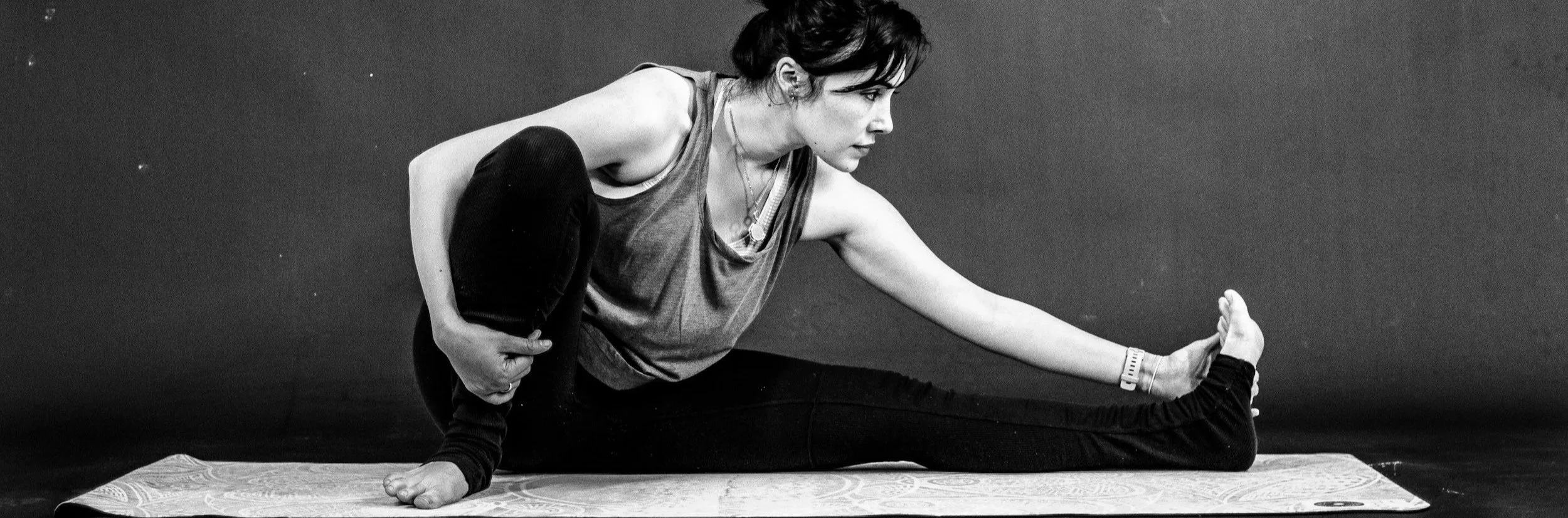
Running in Atlanta is rewarding from the BeltLine trails to local races like the Peachtree Road Race or Publix Atlanta Marathon, but it can also take a toll on your body. Many runners ask me as an Atlanta physical therapist:
“Should I be stretching more or focusing on strength training?”
The truth is, both are important, but knowing how and when to do them can make the difference between a personal best and a nagging injury.
Why Stretching Alone Isn’t Enough
Stretching improves flexibility and can temporarily relieve tight muscles, but research shows it doesn’t prevent injuries on its own. Many runners in Atlanta rely solely on stretching after long runs, which can leave the hips, glutes, calves, and feet underprepared for the repetitive stresses of running.
Common issues seen in Atlanta runners who stretch without strengthening:
Shin splints from weak lower legs
IT band syndrome from underactive glutes
Plantar fasciitis from poor foot stability
Stretching is best used as part of a recovery routine, post-run, or to improve mobility, NOT as the only strategy.
Why Strengthening Is Key for Runners
Strength training targets the muscles that power your run, stabilize joints, and prevent injuries. Here’s why it’s crucial for Atlanta runners:
Improves running economy — less energy spent per mile
Builds joint stability — reduces risk of knee, ankle, and hip injuries
Prevents overuse injuries — stronger muscles absorb more impact
Enhances performance — faster, stronger, and more durable
Focus areas for runners:
Glutes and hips: single-leg squats, bridges, lateral band walks
Core: planks, anti-rotation exercises
Calves and feet: calf raises, towel scrunches
Hamstrings: deadlifts or Romanian deadlifts
Even 2–3 short sessions a week can drastically reduce injuries and improve performance.
Combining Stretching and Strength Training
For the best results:
Pre-run: Dynamic mobility drills (leg swings, lunges, high knees) to warm up
During the week: 20–30 minutes of strength training 2–3 times weekly
Post-run: Static stretching or foam rolling to recover
This combination keeps Atlanta runners strong, flexible, and less prone to injury. All while maintaining speed and endurance.
Local Considerations for Atlanta Runners
Hills: Atlanta trails are hilly and require strong glutes and calves to prevent knee pain
Long runs: Paved sidewalks and beltline trails create repetitive stress; strengthening helps absorb impact
Weather: Hot summers and cool fall mornings can affect muscle flexibility. Strength training helps maintain stability when muscles are stiff
Bottom Line
Stretching is helpful, but strength training is essential for injury prevention and peak performance. For Atlanta runners, a balanced approach combining both is the fastest path to stronger, safer, and faster running.
