How to Build Running-Specific Power
The Secret to Faster Paces Without Running More
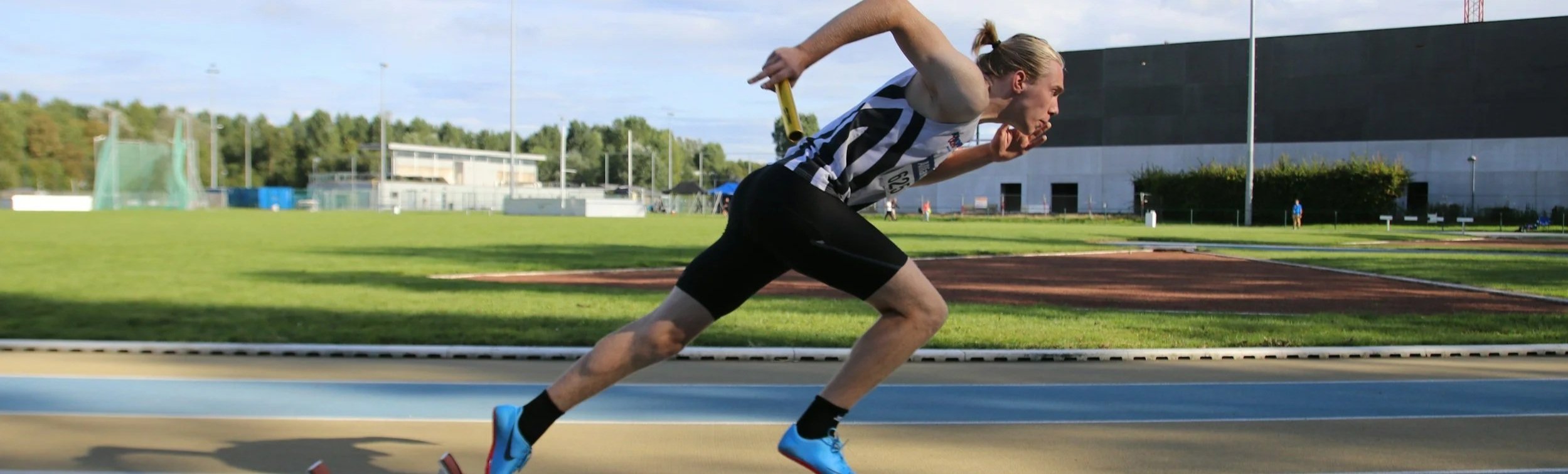
Most runners in Atlanta think getting faster means running more miles or doing more speedwork. But the truth is: speed comes from power or your ability to push into the ground and generate force.
If you want stronger strides on the Beltline or faster hill climbs in Piedmont Park, you need power training.
Here’s how to build it.
What Is “Running Power”?
Running power = how much force you can produce with each step.
The more power you have, the faster you run at the same effort.
Power comes from:
strong calves/soleus
explosive hips
a stiff, stable trunk
quick ground contact
1. Lift Heavy (Yes, Heavy)
Light weights do not build power. Heavy strength builds the engine.
Top exercises for Atlanta runners:
Barbell RDL
Trap bar deadlift
Bulgarian split squat
Heavy calf raises (seated + standing)
Recommended load:
70–85% of your 1RM, 4–6 reps.
2. Add Plyometrics (But Smartly)
Plyos teach your legs to absorb and transfer force quickly.
Runner-focused plyos:
Pogos
Single-leg hops
Skip variations
Box step-offs
Bounding
Do them 1–2x/week, 5–10 minutes max.
3. Train Your Calf-Soleus Complex
Atlanta’s rolling hills demand strong calves.
Do:
Bent-knee calf raises
Straight-leg calf raises
3–4 sets of 12–20.
4. Reduce Ground Contact Time
Power = quick push-off.
Drills:
High knees
Fast feet
Hill sprints (short + controlled)
Why This Matters for Atlanta Runners
Power improves:
✔ hills on the Freedom Trail
✔ speedwork at Piedmont Park
✔ long runs on the Beltline
✔ efficiency in humid or hot conditions
You’ll get faster without adding more miles.
